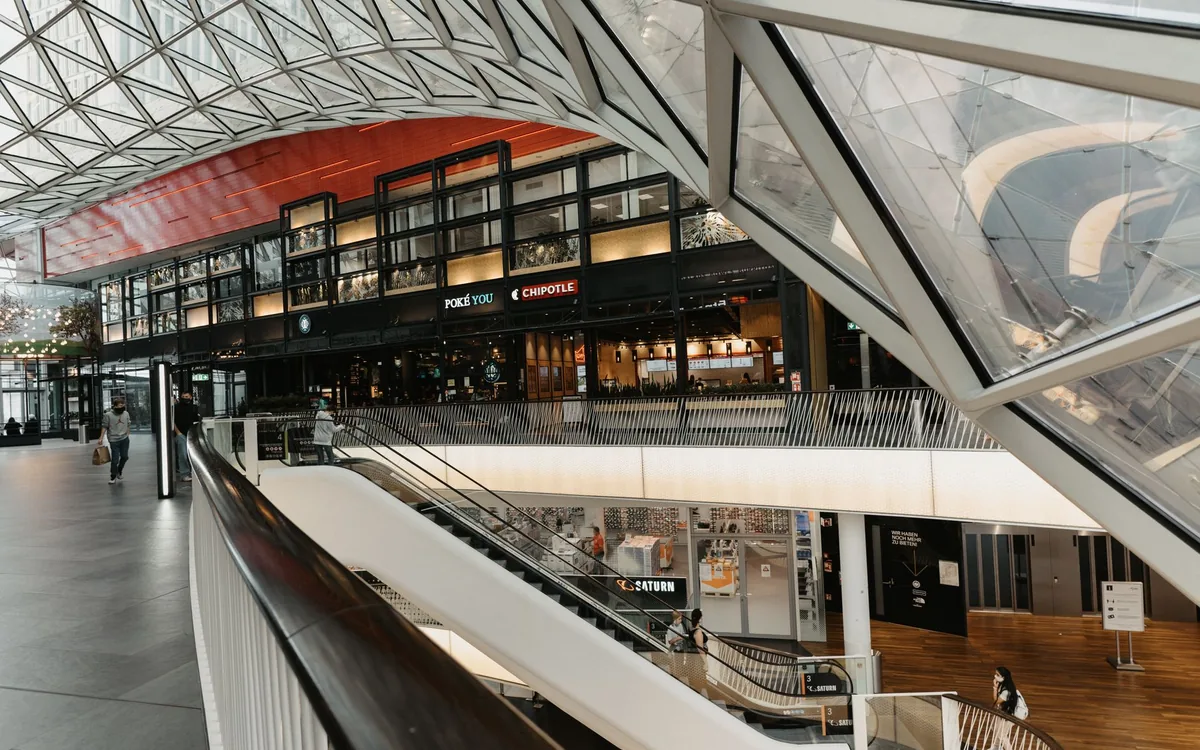
The easiest media conversation there is: you are selling to someone already in your building, who already pays rent, already knows the footfall and already wants more people walking into their shop. And yet most malls never make the offer.
The argument that works with a tenant
Tenants do not buy “visibility”. They buy people walking through the door. The proposal has to speak that language:
| Weak argument | Argument that sells |
|---|---|
| “Your brand on the mall screens” | “Your promotion in the food court, 11am to 3pm, while people have lunch” |
| “Great visibility” | “12 appearances an hour in the corridor on your floor” |
| “Modern digital media” | “The customer sees your offer 40 metres before passing your door” |
| “Packages from X” | “It costs less than one extra day of sales staff” |
Screens near the advertiser’s own shop. Proximity converts better than reach — and it is the most concrete argument there is.
Package formats that tend to work
- Proximity package: only the screens on the shop’s floor or wing. Cheap, converts well, the way in.
- Food court package: for food and service operators.
- Full package: every point, for launches and key dates.
- Seasonal package: Christmas, Mother’s Day, back to school — sold in advance at seasonal rates.
Objection number one: “I don’t have artwork”
This is the objection that kills most internal media contracts. A small tenant has no designer, and their Instagram artwork does not fit a landscape screen. Two ways out:
- Offer ready-made templates where the tenant only swaps photo and price
- Charge a token production fee for the first piece
- Require the correct format (16:9) and set a delivery deadline in the contract
- Keep a minimum quality bar — an ugly piece on your point devalues the whole inventory
The proof that secures the renewal
Media contracts are lost at renewal, when the tenant asks “so, did it work?”. If you have nothing to show, the answer becomes an opinion. Record and present: which points the piece ran on, how many times and on which days.
Add the tenant’s own data (footfall, sales of the promoted item) and renewal stops being a negotiation and becomes a consequence. The operational basis for this is in how to monetise mall screens.
One rule to avoid devaluing the inventory
Do not sell every position in the loop. A screen saturated with advertising loses audience, and the next advertiser pays less. Planned scarcity is what sustains next year’s price.
Build the package and take it to your first tenant
Organise the points, publish remotely and prove the playout. 30 days free, no card.
Try it freeFrequently asked questions
What should I charge a tenant?+
Start at a figure that fits a small shop’s marketing budget and pays for itself across the first dozen contracts. Adjust with demand: a waiting list for a point is a clear sign the price is too low.
Should I sell long contracts?+
Monthly converts better at first, because it lowers perceived risk. Longer contracts come later, once the tenant has seen an effect.
What if a tenant wants category exclusivity?+
That is a good premium product — charge more for it. Just define first how many categories you can block without making the inventory unsellable.
Should media be included in the rent package?+
Including it free tends to devalue the product. It works better as a one-off campaign benefit (a new tenant’s first month, for example) than as a permanent contract item.