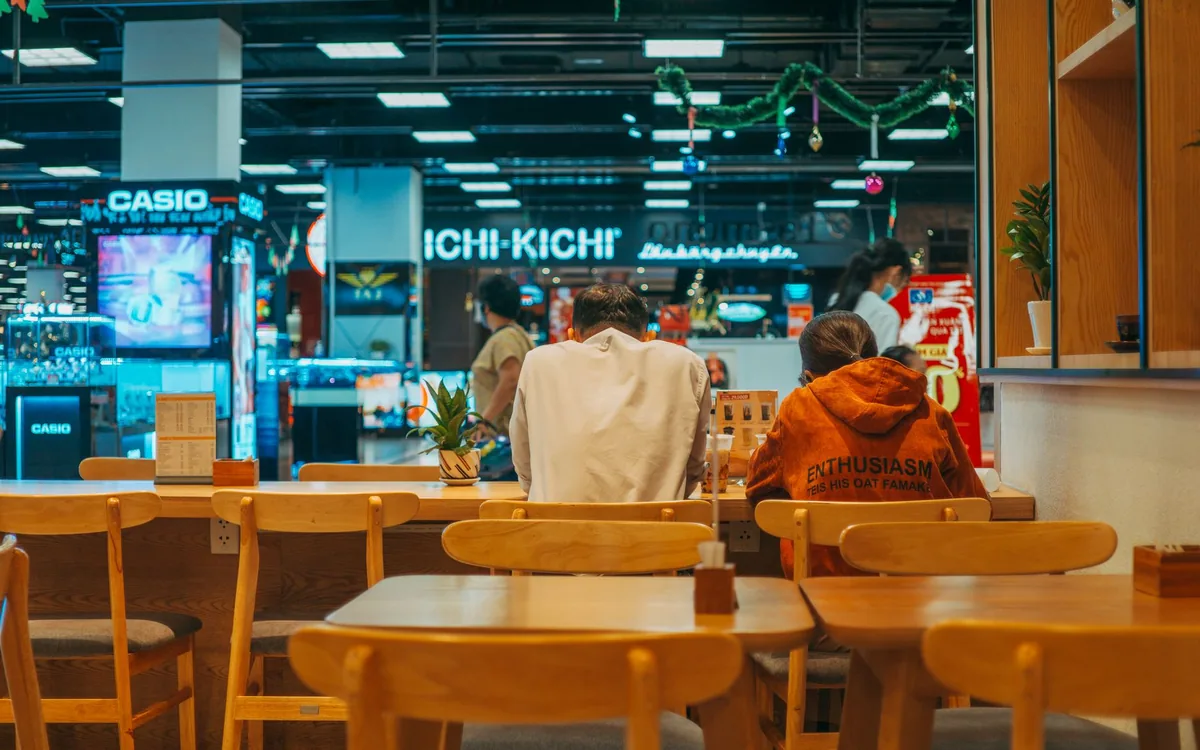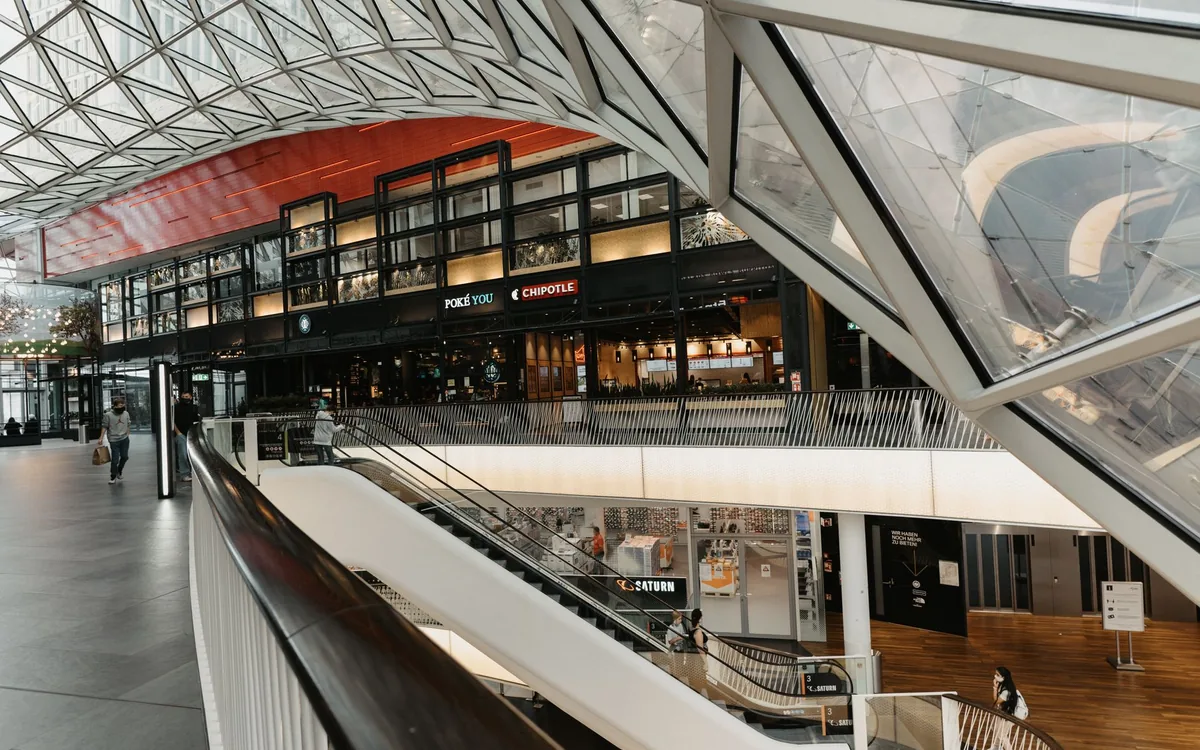
A mid-sized mall has between 10 and 40 screens dotted around — corridors, food court, car park, lifts. Almost all of them show a logo, opening hours and a corporate video on loop. That is media inventory sitting idle, with maintenance costs and zero revenue.
Step 1: build the inventory
There is no media sale without an inventory. Before talking about price, map every point:
| Data point | Why it matters |
|---|---|
| Exact location | Defines the value of the point (food court beats a service corridor) |
| Screen type and size | Determines the accepted format |
| Estimated footfall | The basis of the commercial argument |
| Average dwell time | The food court allows a longer piece; a corridor does not |
| Operating hours | How many slots are available per day |
A tenant does not buy “advertising in the mall”. They buy “10 slots an hour, in the food court, from 11am to 3pm”. The difference between those two sentences is the inventory.
Step 2: define the playout grid
A screen loop has finite time. The maths is simple: if the loop runs 3 minutes and each piece lasts 15 seconds, there are 12 positions. Reserve part for the mall’s own content and sell the rest.
The proportion that usually works keeps most positions commercial and preserves space for brand content — because a 100% commercial screen tires the audience and lowers the value of the point.
Step 3: price it
An in-house mall operation rarely sells on CPM — it sells a monthly package per point or per set of points. It is simpler to explain to a tenant and simpler to run.
- Number of slots per hour and the time band
- Which points the piece will appear on
- Contract length (monthly is usually the entry point)
- Whether artwork production is included or is the tenant’s job
- Turnaround time for changing creative
Step 4: sell to those already inside
The mall’s first media client is the tenant: they already pay rent, they already want more footfall, and they are already metres from the screen. How to structure that offer is in selling internal media to tenants.
Step 5: run it without creating a problem
What kills a mall media operation is changing creative. If every change needs a technician, a USB stick or a visit to the point, operating cost eats the revenue. Remote publishing, by screen group, is what makes the operation viable with a small team.
The mistake of starting with price
Many malls try to sell before organising the inventory — and end up charging for “appearing on screen”, with no defined frequency, time band or point. The tenant sees no return, does not renew, and the mall concludes that “internal media does not work”. The problem was never the media; it was the lack of specification.
Your screens can become revenue
Organise your points into groups, publish remotely and start selling inventory. 30 days free, no card.
Try it freeFrequently asked questions
Do I need a media team to start?+
No. Most malls start with the existing marketing team selling to their own tenants. A dedicated team is only justified once outside advertisers come in.
Can I sell to brands outside the mall?+
You can, and it usually pays more. But it is phase two: without a playout history and organised footfall data, negotiating with an agency is weak.
How many screens justify starting?+
Half a dozen well-located points are enough to build a sellable package. What matters more is the quality of the point, not the quantity.
What about the mall’s own content?+
It continues — and it should. It is what sustains the perception that the screen belongs to the mall, rather than being just another advertising panel.