Indoor media in malls: from institutional screen to revenue
Most malls use their screens only for opening hours and their own events. Those same screens, with an inventory and a way to publish, become media sold to tenants.
- Expensive screens showing nothing but a logo and opening hours
- Tenants with no advertising channel inside their own mall
- A food court with high footfall and zero communication
- Changing a campaign across 20 points turning into a full-day operation
A mall owns exactly what advertisers want: qualified footfall with dwell time. What is usually missing is an organised inventory and a simple way to publish.
Here we cover screen monetisation, media packages for tenants, the food court, and running a campaign across dozens of points at once.
3 articles on shopping malls

The food court: the most underused media point in the mall
It is the only place in the mall where people sit still for 30 minutes facing forward. And the screen there is almost always showing the mall’s logo.
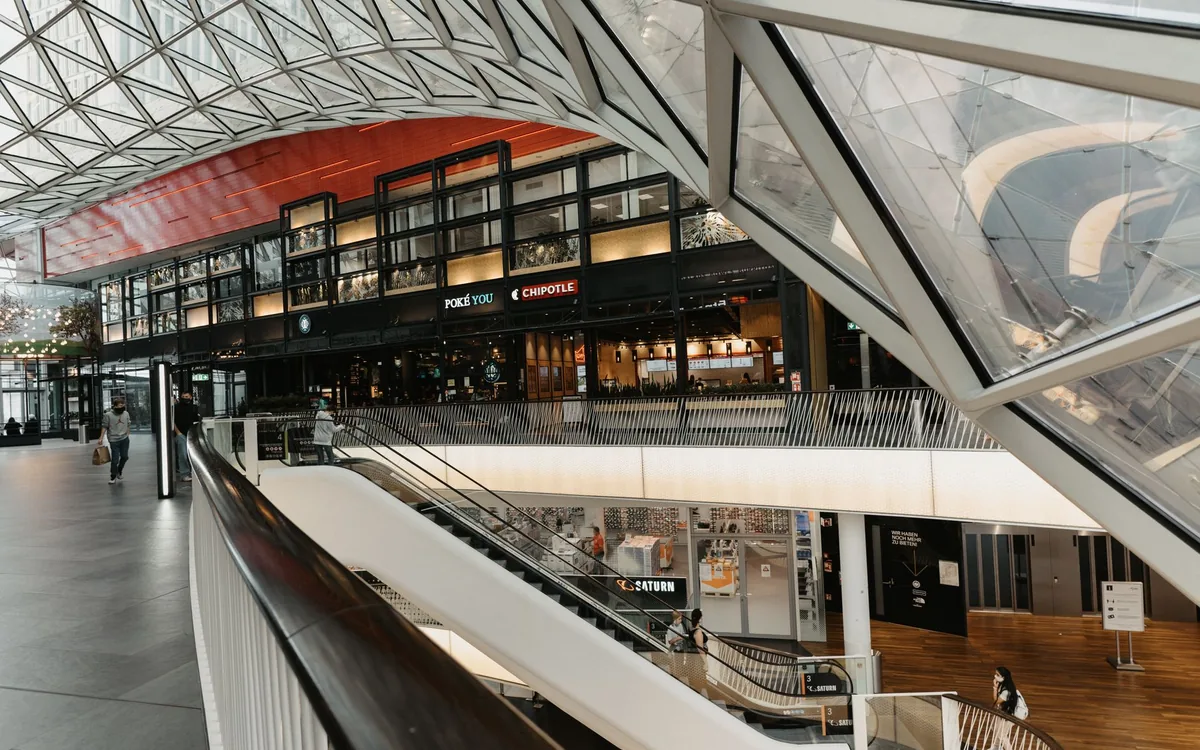
Mall screens already cost money. They can earn it.
The screens are already installed and already cost money. How to turn them into sellable media inventory for your own tenants.

Selling media to your tenants: the easiest negotiation in the mall
The tenant already pays rent and already wants more footfall. What is missing is a specific offer — and proof the piece actually ran.
Frequently asked questions — Shopping malls
How do I start selling internal media to tenants?+
With an inventory: how many screens, where, what footfall passes, and how many slots fit per hour. Without that map there is no defensible price and no commercial proposal.
What should I charge per slot?+
When the operation is in-house, the market tends to work with a monthly package of slots per point rather than CPM. Start at a price that pays for itself with the first dozen tenants, then adjust with real sales data.
Do the food court and the corridor need the same content?+
No. In a corridor people are moving — very short, visual pieces. In the food court they are seated, so a piece can carry more information and more screen time.
Do I need professional signage hardware for this?+
No. One device per screen and a single account controlling every point covers a mid-sized mall.
Turn your screens into a sales machine.
Manage content, campaigns and screens in one place — from your phone, wherever you are.