Average ticket is what each customer leaves in your till. Raising that number is almost always easier — and cheaper — than winning a new customer: the person is already in your dining room and has already chosen to eat here. All that is missing is ordering a little more.
A restaurant with 60 covers a day at an average of 32 takes 57,600 a month. Lift the average by 4 — one drink — and the same footfall becomes 64,800. Seven thousand more without a single extra table.
1. Combos instead of single items
The customer does not compare “38 for the combo” with “28 for the sandwich”. They compare the combo with the sum of the separate items. So the combo has to appear with the maths already done: “sandwich + fries + drink for 38 — separately it would be 45”.
Combos are the item that responds best to being featured on screen, because they settle the whole decision at once.
2. Anchoring: the expensive item that makes the middle one look fair
If you have an 89 dish on the menu, the 54 one stops being “expensive” and becomes “reasonable”. Anchoring does not exist to sell the expensive item — it exists to move the customer from the cheapest to the middle option.
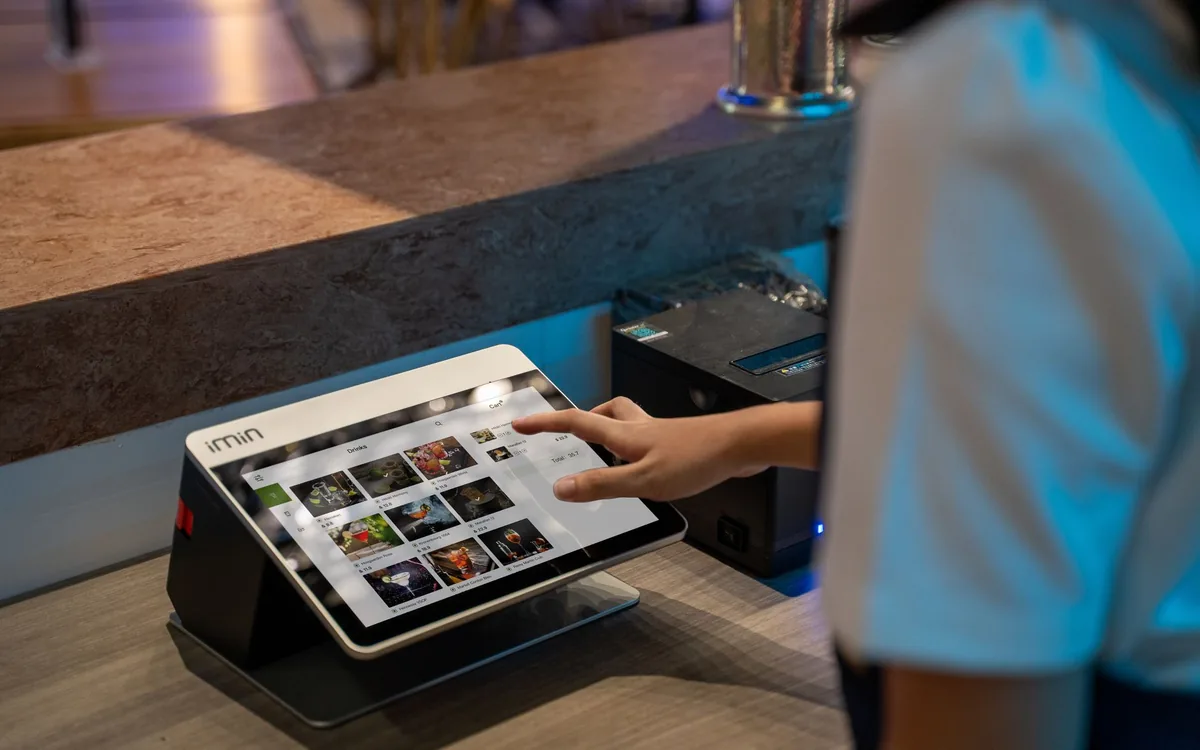
On screen this works when all three appear together, in price order, with the middle one highlighted.
3. Drinks are the easiest money in the house
Drinks carry the best margin on the menu and the least buying resistance. The problem is that they are almost never offered — not by the server, not by the screen.
- The drink appears on screen next to the dish, not in a separate list
- There is a house drink with a name of its own (special lemonade, juice of the day)
- Staff ask which drink, not whether they want one
- There is a non-alcoholic option with the same visual weight
The topic deserves its own read: how to sell more drinks and desserts.
4. Dessert at the right moment (which is not the end)
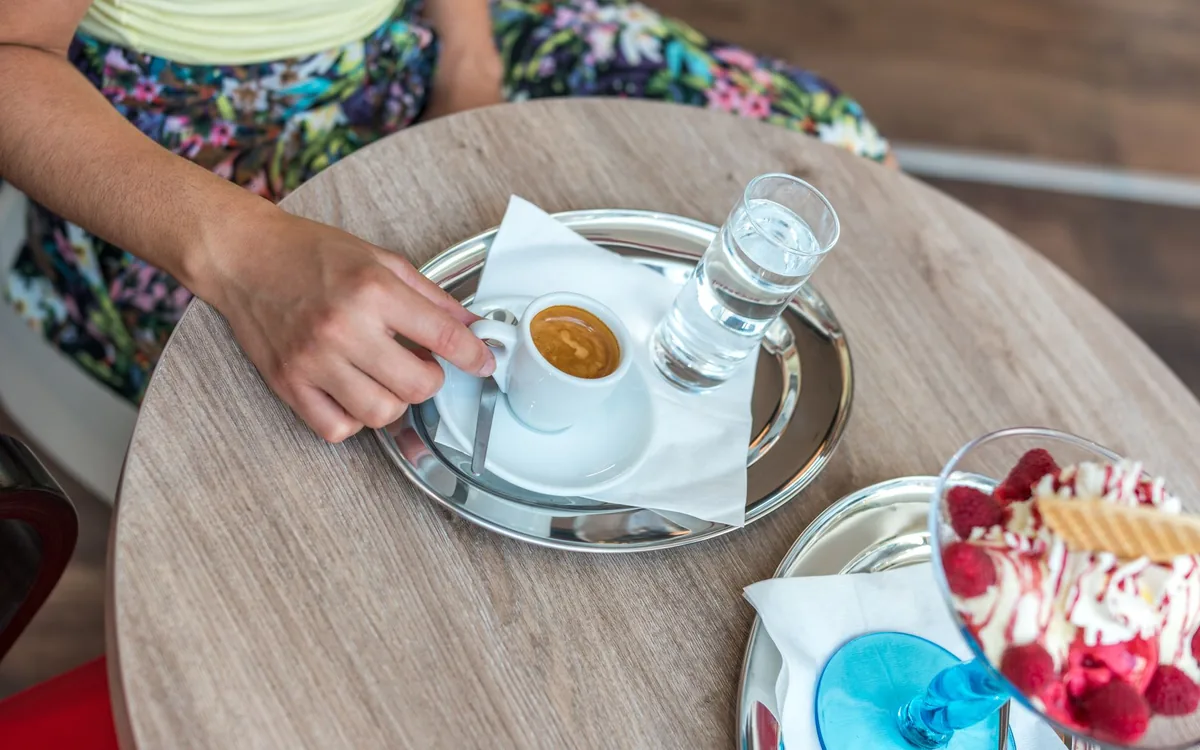
A dessert offered after the main course arrives too late: the customer is already full and has already decided not to. The screen fixes that by showing dessert while they wait, before the hunger goes.
5. Add-ons with round prices
Bacon, cheddar, egg, an extra portion: add-ons work because they are small decisions. What gets in the way is an awkward price. “+4” is accepted instantly; “+3.75” makes the customer think.
6. Offers by time of day
Lunch, afternoon and evening are different audiences with different appetites. A menu that never changes through the day misses the three obvious sales: the set lunch, coffee and something sweet in the afternoon, sharing plates and drinks at night. We cover that in time-based promotions.
7. Let the screen make the offer your team forgets
Every venue has staff turnover, and every new person takes time to learn the selling script. The screen does not forget, is not embarrassed to offer, and does not change its pitch on a busy Saturday.
| Lever | Effort | Where it shows on screen |
|---|---|---|
| Combo with the maths done | Low | Main piece, throughout the loop |
| Price anchoring | Low | Three options side by side |
| Drink next to the dish | Low | Always in the same card as the dish |
| Dessert during the wait | Low | Dedicated piece at peak times |
| Round-priced add-on | Medium | Footer of the dish card |
| Time-based offer | Medium | Scheduled by period |
How to know whether it worked
Divide the day’s revenue by the number of orders — that is your average ticket. Track it for two weeks before changing anything. Then change one variable at a time and compare. Change everything at once and you will never know what worked.
Put the combo in front of the queue
Publish menu, combos and promotions to your dining room screen straight from your phone. 30 days free, no card.
Try it freeFrequently asked questions
What is a good average ticket for a restaurant?+
There is no universal number — it depends on format and location. The indicator that matters is your own trend: this month compared with last, at a similar level of trade.
Would raising prices not be simpler?+
It is faster and riskier. A price rise is noticed immediately and affects perceived value; combos and add-ons raise the order value without the customer feeling they paid more for the same.
Does this work for delivery?+
The logic is the same, the channel is different: on delivery, combos and add-ons need to sit at the top of the app screen. The screen works in the dining room and at the collection counter.
How long before I see a difference?+
Featured combos and drinks tend to show an effect within the same week, because they act on the immediate decision. Anchoring and menu changes need a longer observation period.