Your rent, your electricity and your staff cost the same at 3pm as at 8pm. The difference is that at 3pm the room is empty. Time-based promotions exist to attack exactly that gap — without discounting the hours when you already sell well.
First step: find your real dead hour
Do not trust your gut. Take the number of orders by hour band over the last 15 days and build a simple table. The pattern shows up fast:
| Band | Typical situation | Opportunity |
|---|---|---|
| 11am–2pm | Lunch peak | No discounting; raise the ticket |
| 2pm–5pm | Deep trough | Coffee, something sweet, afternoon snack |
| 5pm–7pm | Slow start | Happy hour, sharing plate + drink |
| 7pm–10pm | Evening peak | Combos and dessert, no discount |
| Mon–Wed | Weak weekdays | A fixed promotion with a name of its own |
Discounting in a busy hour is money thrown away: you are giving a reduction to someone who was coming anyway. A promotion only makes sense where there is an empty chair.
What works in each gap
The afternoon trough (2pm to 5pm)
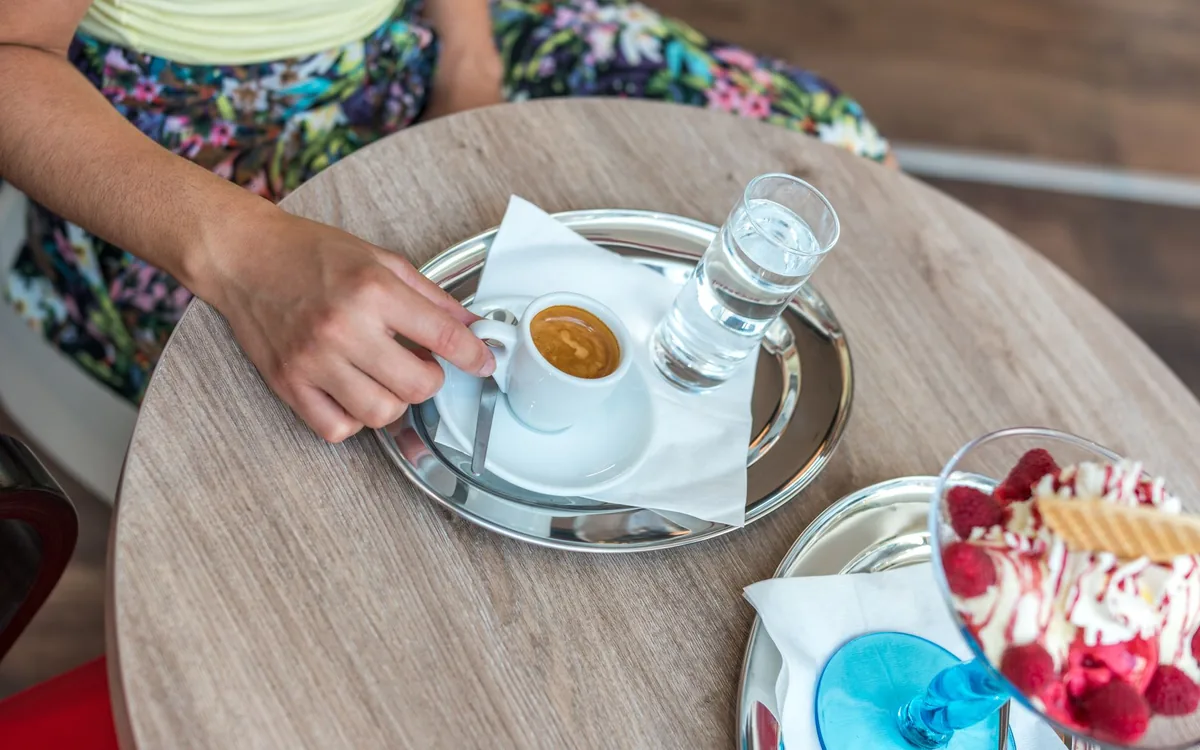
- Coffee + something sweet at a fixed price — this is what brings in the office and student crowd.
- Second slice half price for cakes with a short shelf life.
- A return voucher: whoever had lunch today comes back this afternoon on a special deal.
Early evening (5pm to 7pm)
- Happy hour with a sharing plate, not just drinks — food keeps the table longer.
- Two-for-one on draught or soft drinks in a short, clearly signposted window.
- Rotating starters while the kitchen is still free.
Early in the week
- A fixed day with a name: “burger Tuesday”, “pizza Wednesday”. A fixed name builds a habit; a random discount does not.
- A cheaper dish of the day, Monday to Wednesday only.
Why the screen is the best place for this
Time-based promotions have an operational problem: they have to go on and come off at the right time. A printed poster does not take itself down — and a happy hour offer still visible at 9pm becomes a discount you did not want to give.
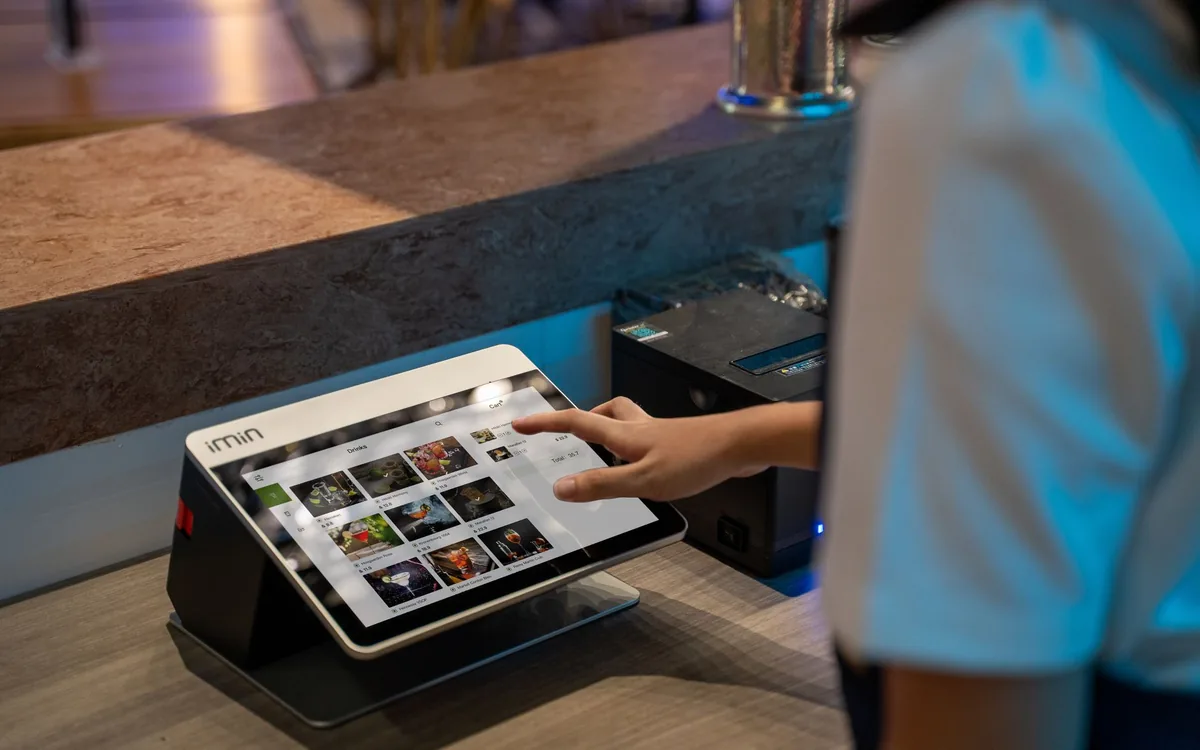
On a screen, the piece goes in and out on schedule. And because updating happens from your phone, you can adjust the offer mid-afternoon if the room is still empty.
- The time window stated on the piece (“2pm to 5pm”)
- One featured item only — not a whole menu at a discount
- A visible final price, with no “conditions apply”
- The day or date it is valid
- A scheduled time to come off the screen
The mistake that burns your margin
Discounting your bestseller. If your most-ordered dish goes on promotion, you cut the margin on the item that was already selling itself. The promotion should pull a low-turnover item with good margin, or a combo built specifically for that window.
If your goal is raising the order value rather than filling hours, the path is different: how to raise your restaurant’s average ticket.
Schedule the offer and forget it
Publish the promotion from your phone and let the screen put it on and take it off at the right time. 30 days free, no card.
Try it freeFrequently asked questions
Do promotions train customers to only come with a discount?+
They do when they are random and frequent in busy hours. A fixed promotion, in a defined window and with a name of its own, builds a time-of-day habit — which is exactly the point.
How much discount is reasonable?+
Enough to change the decision without destroying the margin. Built combos usually work better than a percentage, because they hide the discount inside a full price.
Do I need to advertise outside the venue too?+
The screen catches people already inside and those walking past. To bring in new people, the same piece works on Instagram and in a WhatsApp status — one file, two channels.
Does it work in a small takeaway?+
It does, with an advantage: a small venue feels the effect of five extra tables in the afternoon, something a large room would not even notice.